
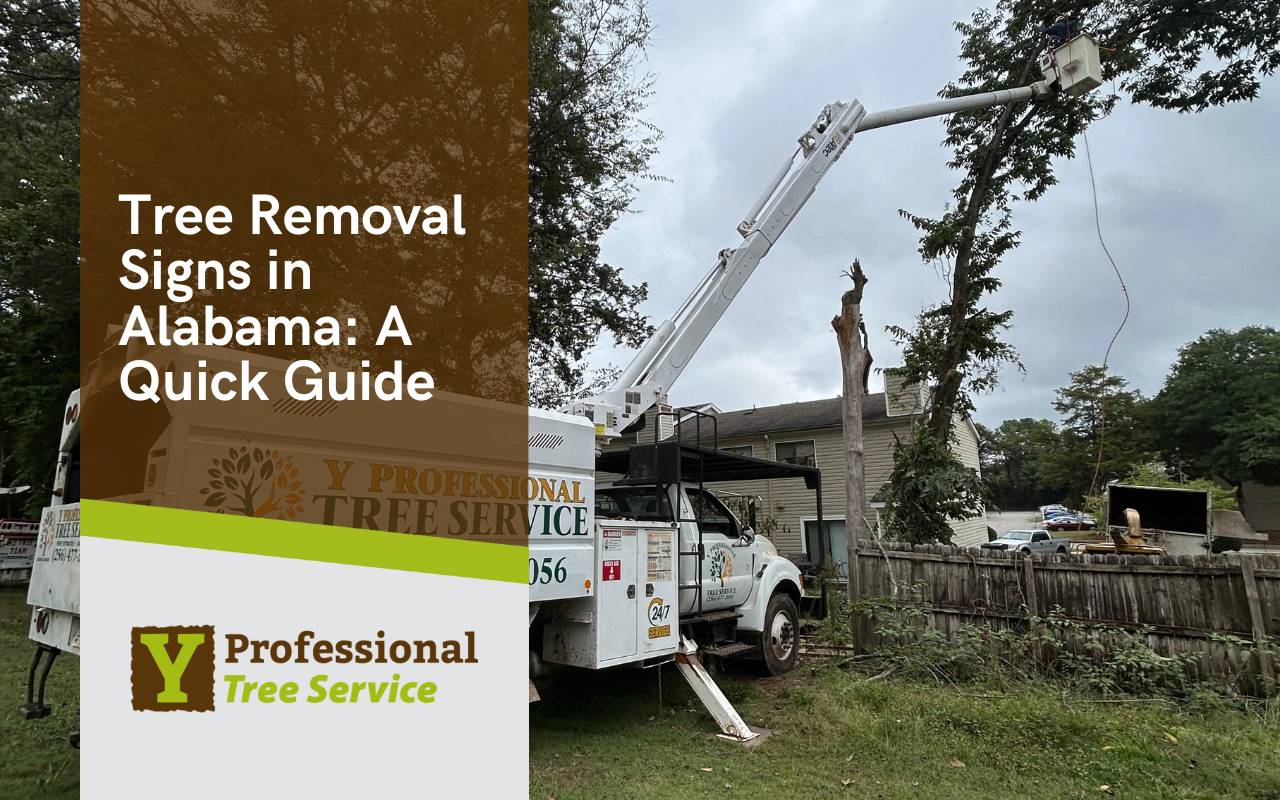
Spotting the signs that a tree needs to be removed can often feel like deciphering a secret language. Especially in Alabama, where majestic oaks and towering pines are part of the natural landscape, knowing when to take action is crucial for both safety and property health. The aftermath of a fierce storm can leave many homeowners pondering, “When to Remove a Tree After a Storm?” This quick guide aims to simplify the decision-making process, arming you with the necessary knowledge to interpret those silent signals your trees might be sending.
Discovering a leaning tree can be unsettling, leaving many to wonder whether it should be trimmed or removed entirely. While some leaning trees pose little threat, others may signal impending danger if left unaddressed. Additionally, differentiating between dead branches and diseased ones can seem daunting, but understanding these differences is key to maintaining a safe and aesthetically pleasing environment. In this guide, we’ll break down these complexities into straightforward advice, ensuring you’re equipped to make informed decisions about Tree Removal Signs in Alabama.
Evaluating Tree Lean: Understanding the Risk
A leaning tree can be a harmless quirk of nature or a red flag for imminent collapse. After a storm, soil becomes loose and tree roots may shift, prompting many homeowners to question, “Leaning Tree: Remove or Trim?” While slight tilting rarely causes harm, a dramatic lean often signals internal damage. In Alabama’s variable weather, heavy rains and strong winds can erode root anchorage, leaving once-sturdy trunks at risk of toppling onto homes, driveways, or power lines.
- Inspect leaning trees after heavy rain or storms.
- Check if the lean developed suddenly.
- Observe if the tilt points toward structures.
Vigilance is essential following any weather event, especially if leaning has increased suddenly. A small lean that’s been present for years may not need urgent removal, but one that appears after a storm can indicate broken roots or soil instability. If you’re uncertain, contact professionals through the Contact page for expert guidance. These early observations help you decide whether trimming minor branches for balance or arranging removal is necessary to protect your property and family.
Recognizing Signs of Tree Decay
Early detection of decay prevents sudden failures and costly damage. In Alabama’s humid climate, fungal growth often appears as mushrooms or conks on trunks or at the tree base. These fungi indicate wood decay inside, weakening the structure. Look for soft, spongy wood under bark that peels easily. Cavities or hollows near the trunk core also suggest advanced decay.
- Check for woodpecker holes or oozing sap.
- Inspect for dead wood pockets or peeling bark.
- Watch for sawdust-like frass near the base.
These are all part of the broader Dead Branches vs. Diseased: Removal Guide since decay can spread from trunk to limbs. If you notice loose bark or sawdust around the base, these are clear Tree Removal Signs in Alabama. Acting promptly saves nearby healthy trees and ensures your yard stays safe. For professional help, learn about Tree Removal options in your area.
Identifying Dead Branches vs. Diseased Branches
Understanding the difference between dead and diseased branches is essential for safety. Dead branches are brittle, break easily, and have no leaves. Diseased ones often show discoloration, unusual growths, or insect activity. In Alabama’s unpredictable weather, proper inspection can prevent accidents and maintain a balanced landscape. When in doubt, consult experts for accurate evaluation. Visit the Tree Trimming page for seasonal maintenance advice that complements Tree Removal Signs in Alabama.
Checking for Cracks and Splits in the Trunk
Cracks and splits in trunks often go unnoticed until dangerous widening occurs. In Alabama, quick temperature shifts and storms can stress bark, causing vertical or horizontal splits. If a crack is deeper than one inch or covers over a quarter of the trunk, it’s a serious Tree Removal Signs in Alabama concern.
- Walk around the trunk and inspect at eye level.
- Tap the bark—hollow sounds indicate internal decay.
- Track the size and growth of cracks weekly.
Water entering these cracks speeds up rot and increases fall risks. Documenting changes helps decide when removal is necessary. You can read more about precautions in Safe Tree Removal Tips to ensure protection during adverse conditions.
Assessing Root Damage and Upheaval
Roots keep trees stable, but after flooding or strong winds, they may loosen or tear. Soil upheaval, cracks, or exposed roots are Tree Removal Signs in Alabama that shouldn’t be ignored. Mushrooms or fungi near the base suggest decay and weakened anchorage. If roots are visibly broken or hanging, stability is compromised. Even slight leaning with root damage signals risk, often covered in When to Remove a Tree After a Storm discussions. Act quickly to prevent unexpected falls.
Considering Proximity to Structures
Trees near homes, fences, or power lines need careful attention. A healthy tree can still damage property if branches hang over roofs or roots push into foundations. If a tree leans toward structures, removal may be safer than trimming. Planning and distance are vital for preventing issues. In Alabama, fast-growing species like sweetgum or poplar often outgrow their space quickly. Evaluating Tree Removal Signs in Alabama in these cases can help protect both property and people.
FAQs About Tree Removal in Alabama
How do I know if my tree is unsafe after a storm?
Look for soil upheaval, leaning trunks, or exposed roots. These indicate instability and may require removal.
Can a leaning tree be saved?
Sometimes, yes. If the lean is minor and old, trimming can help balance it. New or severe leans, however, need expert review.
What’s the best way to identify decay?
Check for fungi, soft wood, or hollow spots. Decay often hides inside trunks but shows through bark changes.
When should I call an arborist?
Call when you see cracks, dead branches, or rapid leaning. Arborists provide safe evaluations and removal plans.
Can I remove a tree without a permit in Alabama?
It depends on local laws. Some counties require permits for larger trees or those in restricted zones.
Hiring a Certified Tree Removal Service in Alabama
Choosing a certified tree service ensures proper safety and compliance. Look for licensed and insured professionals. They should provide detailed estimates, secure the worksite, and follow strict safety standards. For reliable services, explore Tree Removal Services near you or reach out directly through the Contact Us page. A professional crew guarantees that all Tree Removal Signs in Alabama are handled effectively, keeping your property secure.
Prioritizing Safety and Property Health
Being proactive about Tree Removal Signs in Alabama helps prevent accidents and costly damage. Monitor leaning trees, decayed wood, and weakened roots to act early. When you notice concerning signs, don’t delay—consult professionals for inspection and removal advice. Following safe practices and local regulations ensures your trees enhance your property’s health and appearance while keeping your surroundings protected.