

Spring can hide damage from cold nights, ice, and wind. Therefore, a careful yard check matters. This guide shares a simple plan for Alabama homeowners. It helps you spot risk early, protect your garden, and know when to call Y Professional Tree Service for help.
What Should You Check in Spring Trees in Alabama?
A smart spring tree inspection checklist in Alabama helps you find damage early. As a result, you can protect your yard, your home, and your peace of mind. This guide shows what to inspect, what to do next, and when to get expert support from Y Professional Tree Service.
Why a spring check matters
Winter can leave hidden damage behind. Even so, many problems stay easy to miss until spring growth starts. That is why a spring tree inspection checklist in Alabama is so useful for homeowners.
- It helps you find weak limbs before they fall.
- It helps you see trunk cracks before they spread.
- It helps you inspect the root flare for movement or decay.
Also, an early review can lower repair costs later. Healthy trees look better, grow better, and stay safer through spring storms. Therefore, Y Professional Tree Service recommends checking your trees before the season gets busy.
Common signs after winter in Alabama
Cold snaps, ice, and wind can stress trees across the state. Because of that, tree inspection after winter should focus on structure first. Start at the top, and then move down to the base.
- Broken or hanging branches
- Bark splits and fresh wounds
- Dead twigs and sparse buds
- Soft spots on the trunk
- Soil movement around roots
In many yards, the first red flags are deadwood, peeling bark, and fresh lean. However, small signs can point to bigger trouble inside the tree. So, use a spring tree inspection checklist in Alabama every year to catch change early.
Tools that make inspection easier
You do not need many tools to begin. Still, the right items make the job safer and clearer.
- Gloves and safety glasses
- Binoculars for high branches
- A flashlight for dark bark gaps
- A notebook or phone for photos
- A small hand pruner for tiny twigs only
Do not climb high or cut large limbs yourself. Instead, note the issue and plan the next step. If the tree looks unsafe, contact Contact Information to request a professional visit.
Check the trunk for cracks and decay
Next, inspect the trunk from every side. Look slowly, because damage may only show from one angle. This is one of the most important steps in a spring tree inspection checklist in Alabama.
Look for long splits, sunken bark, open wounds, and wet spots. In addition, press gently on loose bark areas. If the bark feels soft, decay may be present under the surface.
Small trunk cracks can grow after spring rain. Therefore, take photos and watch for change each week. If a crack grows fast, or if the trunk sounds hollow, get expert help right away.
Inspect branches for weak points
After that, study the crown and major limbs. Winter stress often leaves branches heavy, brittle, or partly split. Because of that, branch checks should never be skipped.
Look for dead ends, hanging wood, and rubbing branches. Also, check where limbs meet the trunk. Tight branch angles can fail more easily in wind.
If you see large weak limbs, do not stand under them. Instead, mark the area and plan safe pruning. For regular care ideas, read How to Maintain Healthy Trees Year-Round: Expert Advice.
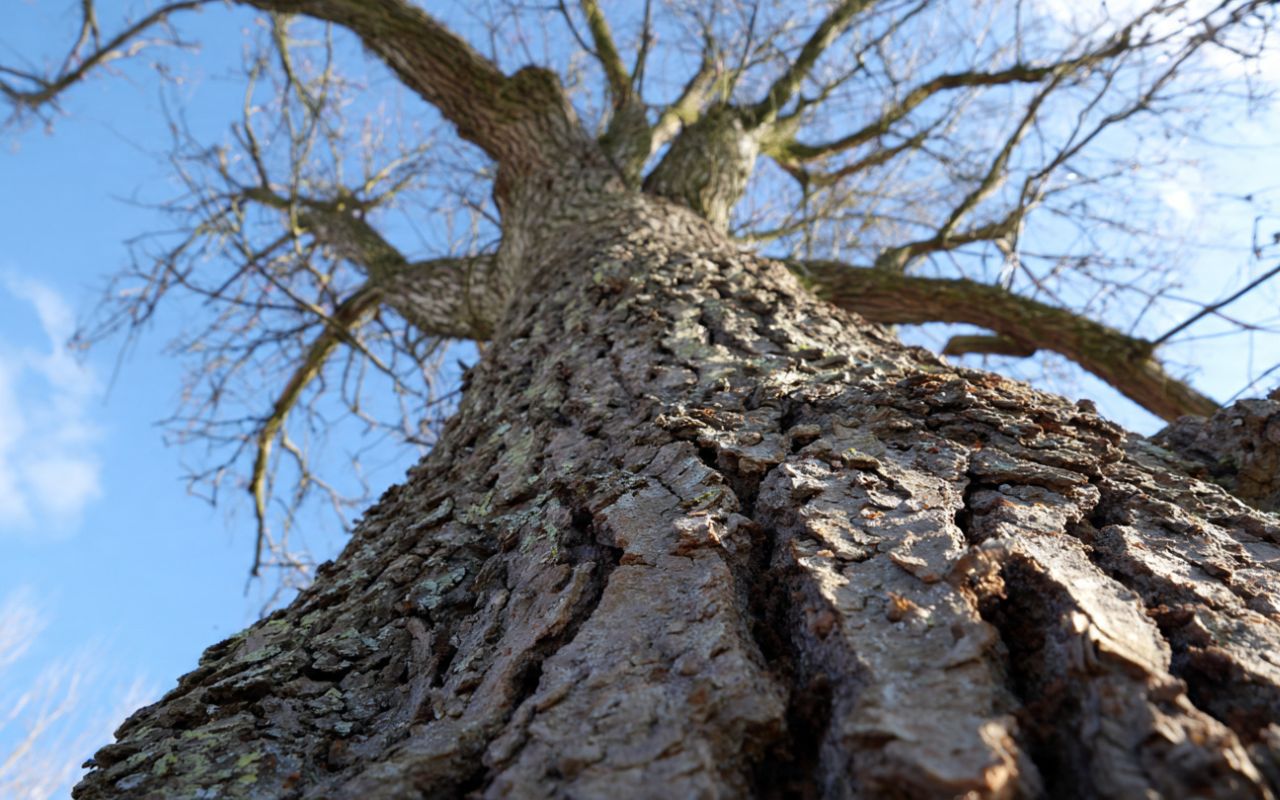
Look closely at the root flare
The base of the tree tells an important story. So, clear away extra mulch and check the root flare. A healthy flare should widen naturally where the trunk meets the soil.
If the trunk goes straight into the ground like a pole, the flare may be buried. Also, watch for cavities, fungus, washed-out soil, or lifting roots. These signs can mean weak support below the surface.
A shifting root flare can make the whole tree unstable. Therefore, this step belongs on every spring tree inspection checklist in Alabama, especially after wet winter weather.
Watch for pests and disease
Damage does not always come from weather alone. Sometimes, winter stress makes trees easier targets for insects and disease. So, check leaves, bark, and the base with care.
Look for holes, sawdust-like material, mushrooms, sticky sap, and dark patches. Also, note yellow leaves, early leaf drop, or dieback at branch tips. These signs often mean the tree needs fast action.
If you think the tree may be beyond repair, review Tree Removal Signs in Alabama: A Quick Guide. Then, reach out to Y Professional Tree Service for the safest next step.
How to do a basic spring tree check
Use this simple order to stay organized. That way, you can inspect each tree the same way every time.
- Stand back and check the full shape of the tree.
- Look for lean, hanging limbs, and dead canopy areas.
- Walk around the trunk and inspect for bark damage.
- Check major branch joints for cracks and stress.
- Clear mulch away and inspect the base and root flare.
- Take photos of any change that worries you.
- Call a pro for large hazards or climbing work.
This step-by-step method makes your spring tree inspection checklist in Alabama easier to follow. Also, it helps you compare one season to the next.
Frequently asked questions
When should I inspect my trees in spring?
Inspect them after the last hard freeze and before heavy spring growth. That timing helps you see damage more clearly. For more seasonal tree tips, visit Blog.
What should I do if I find a cracked trunk?
First, take photos and avoid heavy pruning on your own. Then, watch whether the split grows after rain or wind. If the crack looks deep, contact Contact Information for a professional opinion.
How can I tell if a limb is weak?
Weak branches may hang low, show splits, or have no buds. They can also rub other limbs. For general tree health tips, read How to Maintain Healthy Trees Year-Round: Expert Advice.
Why is the root flare important?
The root flare helps support the whole tree. If it is buried, cracked, or moving, the tree may be unstable. If the tree also shows larger warning signs, review Tree Removal Signs in Alabama: A Quick Guide.
When should I call a tree service company?
Call when you see major cracks, hollow wood, shifting roots, or large hanging branches. Also, call if the tree leans toward a home or driveway. Y Professional Tree Service can help you assess risk and choose the safest solution through Contact Information.
Keep your garden safe this spring
A careful spring tree inspection checklist in Alabama can prevent bigger problems later. Therefore, check trunks, limbs, and the root flare before storms return. Small issues are easier to fix when you find them early.
If your yard needs a closer look, Y Professional Tree Service is ready to help. You can also explore more care tips on the Blog. For direct support, contact Y Professional Tree Service today and schedule your seasonal tree review.
Sources
For added reading, see Alabama Cooperative Extension: Garden Recovery After a Snow Event in Alabama and Southern Living: How To Help Your Trees And Shrubs Recover From Ice Storm Damage.