Tree roots can look harmless above ground. However, below ground, they can hurt your sewer line fast. Knowing the early warning signs helps you act early. That way, you can avoid stress, mess, and costly repairs.
What Are the Main Signs of Roots in a Sewer Line?
One of the clearest tree roots in sewer line signs is water moving too slowly. Another common sign is a bad smell near drains or the yard. In many homes, root intrusion starts small, yet it grows fast. Because of that, Y Professional Tree Service wants homeowners to spot trouble early and protect their property.
Tree roots enter sewer lines
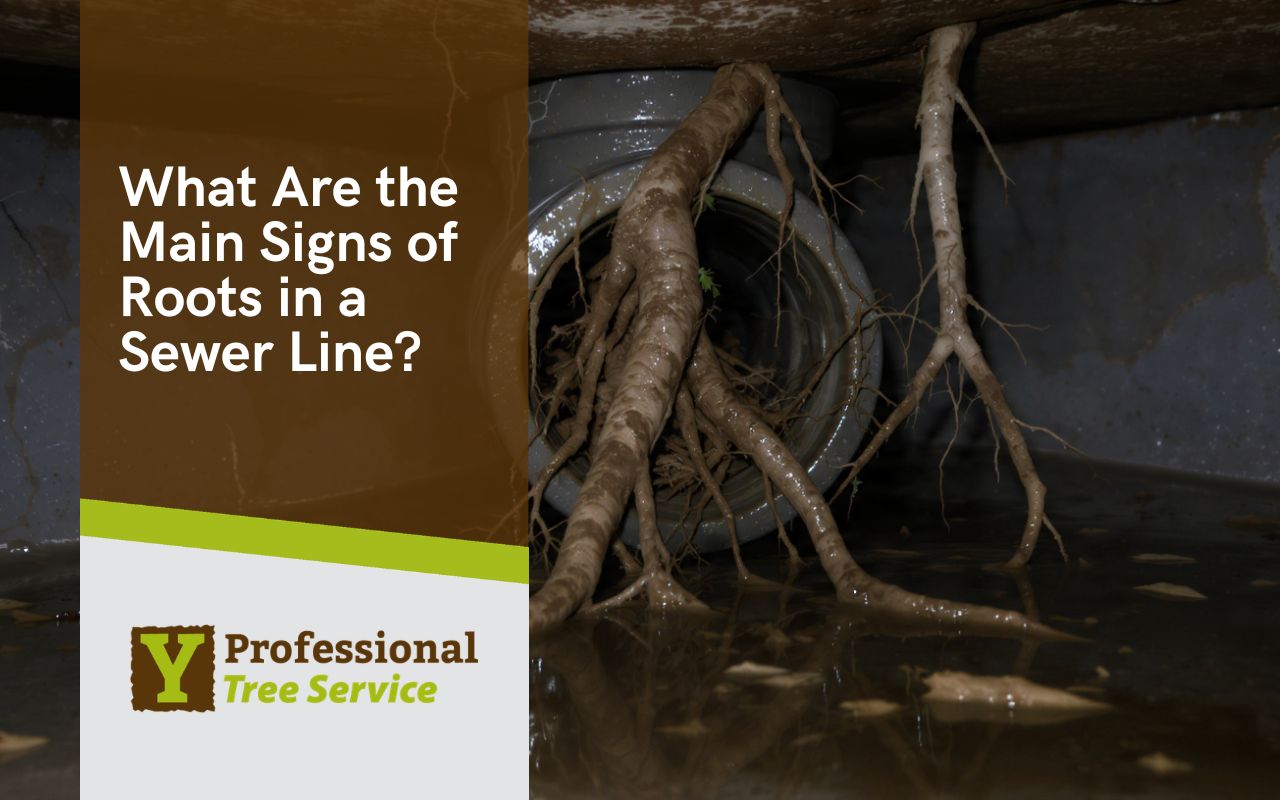
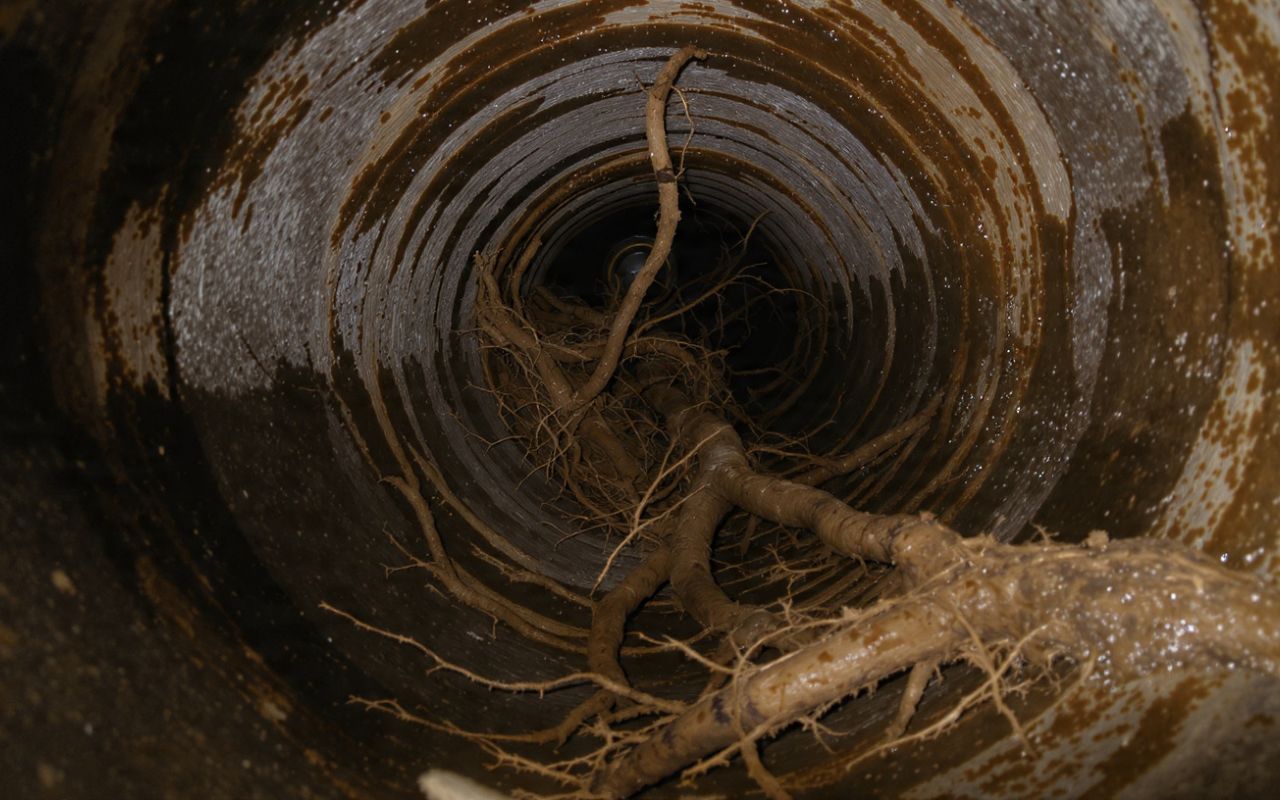
Trees need water and nutrients to grow. So, roots move toward wet soil. If a pipe has a tiny crack, invasive roots can enter it. After that, the roots grow inside the line and block normal flow.
As the problem grows, tree roots in sewer line signs become easier to notice. You may see slow drains, hear odd sounds, or smell sewage. In time, plumbing damage can become severe.
- Roots search for moisture around weak pipes.
- Small gaps let root intrusion begin.
- Growth inside the pipe reduces water flow.
- Pressure can rise and lead to more plumbing damage.
The most common warning signs
Many homeowners first notice small changes. Yet those changes can point to a deeper sewer issue. If several signs happen together, the risk is higher.
- Slow drains in sinks, tubs, or showers
- Gurgling sounds after flushing or draining water
- Foul smells near drains or outside
- Sudden changes in water pressure
- Repeat clogs that keep coming back
Slow drains
Slow drains are often one of the first tree roots in sewer line signs. Water may pool and leave very slowly. While a small clog can cause this, root intrusion is a common hidden cause.
Gurgling sounds
If pipes make bubbling or gurgling sounds, air may be trapped by a blockage. Invasive roots can create that blockage. As a result, water and air move in an uneven way.
Foul odors
A sewer smell near drains or the yard should never be ignored. It may mean roots have cracked the pipe. Then wastewater can leak and create plumbing damage and health risks.
Weak or changing water pressure
Some homes notice weaker water flow during daily use. Although pressure issues can have other causes, root intrusion may also play a role when the sewer system is under stress.
You should act quickly to avoid damages
Early action helps you avoid larger repairs. Once roots spread, they can widen cracks and trap more waste. Then the line may back up or even break.
- You reduce the chance of sewage backup.
- You lower the risk of major plumbing damage.
- You protect your yard and home from contamination.
- You may avoid full pipe replacement.
Y Professional Tree Service understands how outdoor conditions can affect underground systems. So, watching for tree roots in sewer line signs is a smart step for any homeowner.
Inspect the problem at home easily
You can look for early clues before calling a pro. Even so, home checks only show part of the problem. Deep root intrusion often needs special tools.
How to check for possible root intrusion
- Watch how fast sinks, tubs, and showers drain.
- Listen for gurgling after using toilets or faucets.
- Smell around drains and damp yard areas.
- Check whether clogs return after simple cleaning.
- Call a professional if signs keep coming back.
If your trees need regular care, visit How to Maintain Healthy Trees Year-Round: Expert Tips. Healthy planning outdoors can help reduce future invasive roots near important lines.
Professional solutions that help remove roots
Professional tools can clear the line and show the real damage. In many cases, experts use cameras, augers, or high-pressure water. For worse cases, they may repair the pipe without large digging.
- Camera inspections locate the blockage clearly.
- Mechanical cutting removes root masses.
- Hydro jetting clears debris and buildup.
- Trenchless lining can restore damaged pipes.
If root growth is tied to a risky tree, review Tree Removal | Benefits & Costs. You can also explore more seasonal tips on the Blog.
Frequently asked questions
Can slow drains really mean roots are in the sewer line?
Yes, they can. Slow drains are one of the most common tree roots in sewer line signs. If the issue keeps returning, root intrusion may be blocking flow. For more property care tips, see the Blog.
Do bad smells always mean plumbing damage?
Not always, but bad smells can point to a cracked sewer line. When invasive roots break a pipe, sewage odors may escape. If you notice this often, reach out through Contact Information.
Can I fix root intrusion by myself?
You may spot early signs yourself, but full removal usually needs professional tools. Deep root intrusion can return if only part of the blockage is removed. When in doubt, use Contact Information to ask for help.
Will removing one tree stop future sewer problems?
Sometimes, but not always. The result depends on the tree, the pipe condition, and how close the roots are. If a dangerous tree is involved, read Tree Removal | Benefits & Costs.
How can I reduce the chance of invasive roots coming back?
Regular inspections, smart planting, and early maintenance help a lot. Healthy yard planning also matters. For helpful care ideas, visit How to Maintain Healthy Trees Year-Round: Expert Tips.
Plan to protect your home in the long term
The best plan is early attention and routine checks. Tree roots in sewer line signs should never be ignored. When you act early, you reduce stress and protect your home.
Y Professional Tree Service encourages homeowners to watch for slow drains, smells, and repeat clogs. Those signs may seem small, yet they can lead to major plumbing damage. With the right help, you can manage invasive roots before they create a bigger mess.
If you want trusted local support, Y Professional Tree Service is ready to help. Y Professional Tree Service can guide you toward safer trees and a safer property.
References
For extra reading, see This Old House on sewer line repair and Bob Vila on tree roots in sewer lines.