
At Y Professional Tree Service, we know Alabama trees need steady care before summer pressure builds. Therefore, this guide explains simple steps for watering, mulch, pruning, soil care, and stress checks. With the right routine, homeowners can protect shade, beauty, safety, and long-term tree health.
Reach us through the Contact Information page today.
How Can Homeowners Learn how to maintain healthy trees?
How to maintain healthy trees means using steady watering, safe pruning, mulch, soil care, and regular checks. In Alabama, this also means watching drought, heat, pests, and weak branches before damage spreads.
How to maintain healthy trees is the process of keeping roots, soil, bark, branches, and leaves in good condition. Homeowners need it when trees face drought, heat, poor drainage, pests, or storm risk. Y Professional Tree Service helps people understand these needs before small signs become serious yard problems.
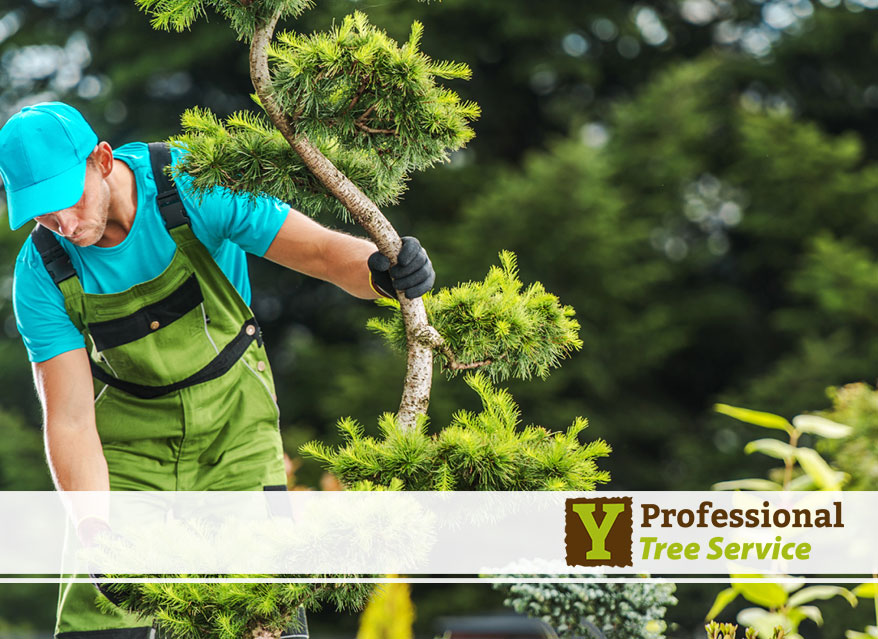
Build Simple Habits For How To Maintain Healthy Trees
Healthy tree care starts with regular habits that match the season, soil, and tree age. Therefore, homeowners should water deeply, check leaves often, protect roots with mulch, and act early when branches look weak, crowded, or damaged.
Many tree problems begin quietly. For example, dry soil, compacted ground, and small bark wounds may not look urgent at first. However, those issues can weaken roots and invite pests later.
Healthy trees support cooler yards, better shade, and stronger outdoor spaces. Therefore, regular care helps protect both comfort and long-term landscape value.
- Check leaves for yellowing, wilting, browning, or early drop.
- Look at bark for cracks, soft spots, and oozing sap.
- Keep mulch wide, even, and away from the trunk.
- Water slowly so moisture reaches the root zone.
- Ask for help when limbs hang over roofs or driveways.
During local visits, we check tree shape, root conditions, branch safety, and visible stress signs. Then, we explain what can be corrected and what may need closer attention.
Choose Climate Ready Trees For Alabama Landscapes
The right tree is easier to care for because it already fits the local climate. Therefore, Alabama homeowners should consider heat, humidity, soil drainage, mature size, sun exposure, and drought tolerance before planting new trees.
Native and well-adapted trees often handle Alabama weather better than trees from cooler or wetter regions. Also, they may resist local pests and changing rainfall more easily.
Tree maintenance June in Alabama should begin with checking whether each tree has enough space, healthy soil, and steady moisture. June heat can expose weak planting choices fast.
| Tree Care Factor | Helpful Homeowner Action |
|---|---|
| Hot summer weather | Choose trees suited for Alabama heat and full sun. |
| Dry soil | Use deep watering and mulch to protect roots. |
| Young trees | Water more often while roots become established. |
| Mature trees | Inspect branches, soil, bark, and canopy changes regularly. |
If you are planning new planting or worried about an existing tree, review our More Services page. It explains the tree care support available for local landscapes.
Key Takeaway: Strong tree care begins with good habits and climate-aware choices. As a result, trees can handle heat, drought, and seasonal pressure with less stress.
Water Deeply During Alabama Heat And Dry Spells
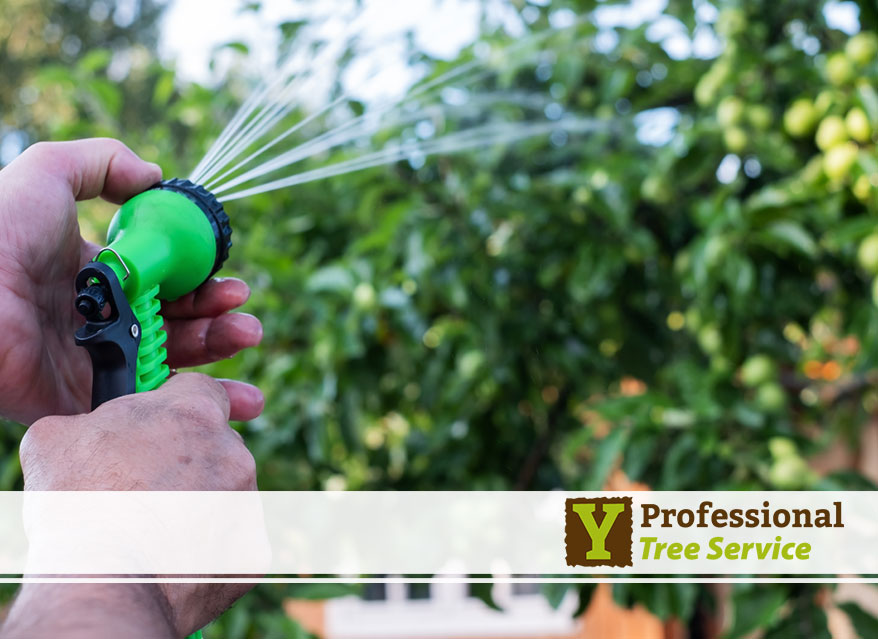
Deep watering helps tree roots grow downward and stay stronger during dry weather. Therefore, homeowners should water slowly near the root zone instead of giving trees quick, shallow water that only wets the surface.
Watering trees during Alabama drought takes patience. For best results, use a soaker hose or slow stream around the outer canopy area. Also, water early in the morning when evaporation is lower.
The Alabama Cooperative Extension System explains that a full-grown pecan tree can use nearly 200 gallons of water on a hot summer day. Therefore, large trees may need careful attention when drought lasts for several weeks.
- Water young trees more often while roots are still growing.
- Water mature trees deeply during long dry periods.
- Keep water away from direct trunk pooling.
- Check soil moisture before adding more water.
- Follow local water rules during drought restrictions.
Y Professional Tree Service often recommends slow watering when trees show curled leaves, dull color, or early leaf drop. However, drainage still matters because soggy soil can also harm roots.
Protect Roots With Mulch And Better Soil Care
Mulch and healthy soil protect tree roots from heat, weeds, and fast moisture loss. Therefore, homeowners should keep a wide mulch ring, avoid mulch piles against bark, and improve compacted soil when roots lack air.
A three-to-four-inch layer of organic mulch can help hold moisture and cool the soil. However, mulch should never touch the trunk because trapped moisture may lead to rot.
According to University of Minnesota Extension, mulch should be applied at a depth of 2 to 4 inches to support weed control and soil aeration. This simple range helps homeowners avoid thin mulch and harmful mulch piles.
Soil care also matters. Compacted soil blocks air and water from moving into the root area. Therefore, adding organic matter and testing soil can help guide better decisions.
Simple root protection can support both beauty and long-term property value. As a result, mulch, soil care, and steady watering are worth including in every routine.
When we inspect soil, we look for drainage problems, exposed roots, tight ground, and mulch mistakes. Then, we explain simple changes that can support stronger growth.
Key Takeaway: Deep watering and root protection work together. As a result, trees can handle Alabama dry spells with better root strength and less heat stress.
Prevent Summer Stress Before Leaves Start Declining
Summer heat stress prevention works best before leaves scorch, curl, or drop early. Therefore, homeowners should combine mulch, deep watering, bark protection, and careful monitoring before Alabama heat weakens roots and branches.
Hot weather can dry soil fast, especially around young trees. Also, lawn tools can damage bark and create openings for pests. Keep a clear mulched area around trunks to reduce these risks.
Summer heat stress prevention should include checking the canopy every week during hot, dry periods. If leaves look burned at the edges, the tree may need water, shade support, or professional review.
- Leaf edges turn brown or dry.
- Leaves curl during the hottest part of the day.
- Branches drop leaves earlier than expected.
- Soil feels dry below the surface.
- Bark shows fresh wounds from lawn equipment.
During severe heat, young trees may need extra protection. For example, breathable wraps or temporary shade can help when sun exposure is extreme.
Prune Carefully To Improve Safety And Strong Growth
Careful pruning removes dead, weak, crossing, or risky limbs before they become hazards. Therefore, homeowners should avoid heavy cutting, use clean tools, and request professional help for large limbs near roofs, lines, or driveways.
Pruning supports healthy shape and better airflow. Also, it can reduce storm damage when weak branches are removed on time. However, over-pruning can stress trees and slow recovery.
As a general rule, removing too much live foliage in one season can weaken a tree. Therefore, smaller planned cuts are often safer than major sudden cuts.
Y Professional Tree Service checks branch structure, clearance, deadwood, and nearby property risks before recommending pruning. If trimming support is needed, visit our Tree Trimming Services in Alabama page.
Key Takeaway: Summer stress and unsafe branches should be handled early. Therefore, steady inspections and careful pruning help protect trees, homes, driveways, and outdoor areas.
Inspect Pests Disease And Bark Changes Early
Early inspections help homeowners find pests, disease, and bark damage before tree health declines. Therefore, look for spots, cankers, sap, peeling bark, insect activity, dead limbs, mushrooms, and sudden changes in leaf color.
Drought-stressed trees may become more vulnerable to insects and disease. The Alabama Cooperative Extension System notes that root loss from drought can increase susceptibility to insects and diseases.
Look closely after storms, drought, and long heat waves. Also, remove diseased debris when safe because fallen material can hold pests or fungal problems.
- Discolored leaves may point to stress, pests, or disease.
- Oozing sap can signal injury or insect activity.
- Mushrooms near roots may suggest decay issues.
- Peeling bark can show stress, injury, or disease.
- Dead limbs may create safety risks during storms.
If symptoms spread quickly, do not guess. Instead, document what you see and contact a trained tree care team for a safer review.
Guide Seasonal Care With A Simple Annual Routine
Seasonal tree care works best when each task matches the weather. Therefore, homeowners should inspect in spring, water and watch stress in summer, clear debris in fall, and protect young trees in winter.
In spring, check winter damage and refresh mulch. Then, inspect soil and prune dead or damaged limbs when appropriate. This helps prepare trees before summer growth increases.
In summer, focus on watering trees during Alabama drought, heat stress checks, pest signs, and mulch care. Also, avoid unnecessary stress during extreme heat.
In fall, remove diseased leaves and debris. Finally, in winter, protect young bark and check soil moisture before hard cold arrives.
For local help across Huntsville, Decatur, and nearby areas, explore Tree Services In Huntsville, Alabama. It outlines service options for homeowners and businesses.
Key Takeaway: Early inspections and seasonal routines prevent many tree problems. As a result, homeowners can respond before heat, drought, pests, or weak branches cause bigger damage.
Frequently Asked Questions
How do I know if my tree needs professional care?
Your tree may need professional care if you see dead limbs, bark damage, leaning, early leaf drop, pests, or branches near structures. For local support, visit More Services.
When should I water trees during hot Alabama weather?
Water early in the morning during dry periods. Deep, slow watering helps moisture reach roots. If drought stress appears, request guidance through our Contact Information page.
What happens if mulch is piled against the trunk?
Mulch against the trunk can trap moisture, soften bark, and invite pests. Keep mulch a few inches away from bark and spread it wide over the root area.
Why is pruning important before storm season?
Pruning removes weak, dead, or crowded limbs before wind and rain increase risk. For trimming help, visit Tree Trimming Services in Alabama.
How do I decide if a tree should be removed?
A tree may need removal if it is dead, unstable, badly damaged, or too close to important structures. Learn more through Tree Removal Service in Huntsville and Decatur, AL.
Start Safer Tree Care With Local Support Today
Y Professional Tree Service is ready to help you understand your trees, reduce risks, and plan the next safe step. To discuss concerns, photos, or scheduling, reach us through the Contact Information page today.