
Late summer and early fall are useful times to inspect trees before colder weather changes growth and soil conditions. Good fall tree preparation focuses on branch condition, moisture, mulch, pruning timing, and signs of stress before dormancy begins. request your tree estimate when you want professional help preparing trees for the next season.
At Y Professional Tree Service, we bring 10+ years of experience to seasonal tree care decisions that are easier to address before winter arrives.
Start September Tree Inspections With Visible Warning Signs
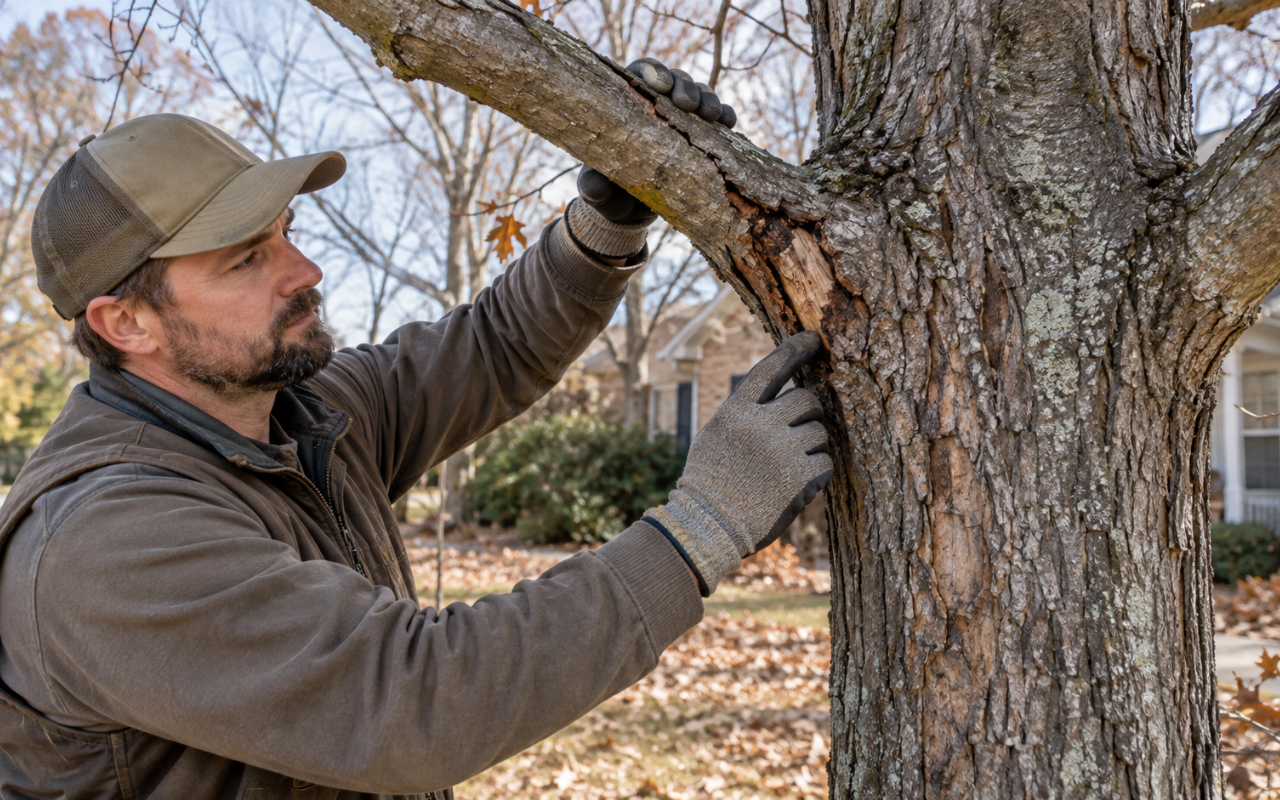
Begin by checking for broken limbs, dead branches, cracks, cavities, mushrooms near the base, thinning foliage, or branches that have changed position. Early inspection helps separate normal seasonal change from damage that deserves closer attention.
Walk around the tree from several angles instead of judging only from one side. Changes near the trunk, root flare, or major branch unions can be easy to miss from a distance.
Check Soil Moisture Before Cooler Weather Reduces Growth
Trees entering fall still need adequate moisture, especially after dry weather. Soil that stays extremely dry can add stress, while constantly saturated soil may point to drainage problems around the root zone.
For broader care guidance, review review healthy tree maintenance before changing watering or soil practices.
Pruning Before Dormancy Requires Careful Timing And Purpose
schedule your tree inspection when branches are dead, damaged, crossing, or creating a clear safety concern. Pruning before dormancy should be based on tree condition and species needs rather than performed automatically because the season is changing.
Free estimates are available when homeowners want help deciding whether pruning should happen now or wait until a more suitable time.
Use This Fall Tree Care Checklist Before Winter
- Inspect major limbs for cracks or recent storm damage.
- Check soil moisture around the root zone.
- Remove loose debris from around the trunk base.
- Review mulch depth and keep mulch away from bark.
- Look for deadwood over driveways, roofs, and walkways.
- Note trees that changed leaf color unusually early.
A short checklist makes seasonal care easier because it keeps attention on visible condition instead of relying on one treatment for every tree.
Mulch Helps Protect Tree Roots When Applied Correctly
A moderate mulch layer can help conserve soil moisture and reduce temperature swings near surface roots. Mulch should spread outward rather than being piled directly against the trunk.
Our 24/7 services are available when storm damage or a hazardous branch creates an urgent tree concern outside normal planning.
Fertilizer Decisions Should Follow Tree And Soil Conditions
Not every tree needs fertilizer before winter. Trees showing weak growth, poor color, or nutrient concerns may benefit from evaluation, but unnecessary fertilizer can waste money and may not solve the real problem.
For seasonal planning, read review winter tree care. Soil condition, tree age, species, and recent growth should guide the decision.
Pruning Timing Depends On Tree Species And Condition
Some trees respond better to pruning during dormancy, while immediate hazards should not wait for the calendar. Dead or broken branches may need removal sooner, especially when they threaten structures or high-traffic areas.
For more guidance, visit review tree trimming timing. Our team at Y Professional Tree Service can help separate routine pruning from urgent corrective work.
Use Tree Location To Prioritize Fall Inspection Needs
| Tree Location | What To Inspect | Why It Matters | Next Step |
|---|---|---|---|
| Near roof | Dead or hanging limbs | Potential storm impact | Evaluate clearance |
| Beside driveway | Low or cracked branches | Vehicle and access risk | Check structure |
| Near walkway | Root flare and deadwood | High foot traffic | Prioritize safety |
| Open lawn | Canopy balance and moisture | Seasonal stress visibility | Monitor changes |
Location changes the urgency of tree care. A weak branch over an unused corner of the yard may be less urgent than similar damage above a roof, driveway, or main walkway.
- Take photos of cracks, cavities, and branch unions in September.
- Note trees that lose leaves much earlier than nearby trees.
- Record areas where soil stays unusually dry or wet.
- Watch for repeated limb drop after wind or rain.
- Compare current canopy density with earlier seasonal photos.
These records make future inspections more useful because they show whether a condition is stable, improving, or becoming more noticeable over time.
- Check recently planted trees separately. Young trees may need closer moisture monitoring because their root systems occupy a smaller soil area.
- Review support ties and stakes. Make sure temporary supports are not rubbing bark or becoming unnecessarily tight around growing trunks.
- Watch for mower damage. Repeated contact around the trunk base can create wounds that become easier to overlook once leaves begin falling.
- Keep fallen debris from piling against trunks. Leaves can remain in planting areas, but thick wet piles should not stay pressed directly against bark.
- Recheck after strong storms. Wind and heavy rain can change branch position even after an earlier September inspection looked normal.
Frequently Asked Questions
Should trees be pruned before winter?
It depends on species, condition, and the reason for pruning. Dead or hazardous branches may need attention sooner, while routine pruning may be better timed differently.
Should I fertilize trees in fall?
Only when tree condition and soil needs support it. Fertilizer should not be used automatically as a seasonal step.
How much mulch should surround a tree?
Use a moderate layer spread across the root zone, keeping mulch away from direct contact with the trunk bark.
What should I inspect in September?
Check branch structure, deadwood, trunk damage, root-zone conditions, moisture, and unusual changes in foliage.
What tree problems need urgent service?
Split limbs, hanging branches, storm damage, or trees threatening people or structures deserve faster professional evaluation.
Build seasonal tree preparation Around Actual Tree Conditions
Effective fall tree care combines inspection, moisture management, correct mulch, and pruning decisions based on what each tree actually needs. book your tree estimate with Y Professional Tree Service when you want a fall tree service plan built around visible condition instead of guesswork.